Column · @caraccessnotes
Can a Damaged Car Key Be Copied Before It Fails Completely?
Yes, a damaged car key can often be copied before it fails completely, but the process depends on how much of the key is still readable and what kind of damage it has sustained. The sooner you act, the better the chances of getting a working duplicate without needing to replace the entire lock or ignition system.
Car keys take a surprising amount of abuse over their lifetime. They get dropped, twisted in locks, bent in pockets, and sometimes even snapped in half. When the key starts to show signs of wear, many drivers wonder if they should try to get a copy made or wait until the key breaks entirely. Getting a copy made while the original still functions is almost always the smarter move, but there are a few things to understand about how key copying works when the original is not in perfect condition.
How Key Copying Works With a Damaged Original
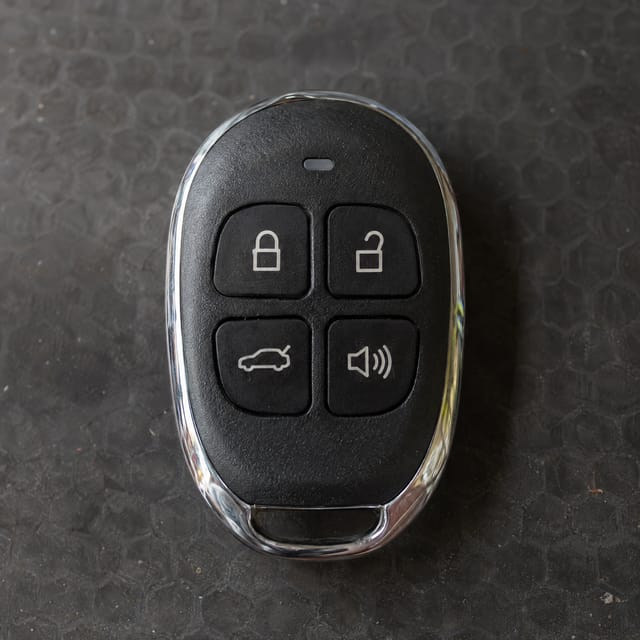
Key cutting machines rely on the physical shape of the original key blade to create an exact duplicate. If the key is bent, chipped, or worn down, the machine may not be able to read the full profile accurately. For simpler metal keys, a skilled locksmith can often compensate by using manual measurements and reference points on the key code. For transponder keys or remote fobs that include a flip mechanism, the task becomes more complex because the key shell and the electronic internals also need to function correctly.
When you bring a damaged key to a professional service like Car Key Replacement Toronto, the technician will first inspect the key to see what can be salvaged. If the blade is still intact but the plastic shell is cracked, it may be possible to transfer the electronic chip into a new housing while also cutting a fresh blade. If the key blade itself is worn unevenly, the locksmith might need to decode the lock cylinder or ignition switch directly to determine the correct bitting. That is a more involved process but often works even when the original key is too far gone to trace.
What Kind of Damage Makes Copying Impossible?
There is a limit to how much damage a key can sustain and still be copied. A key that has snapped cleanly in two can sometimes be copied if both pieces are brought in, especially if the break is clean and the two halves can be aligned. However, if the key has been bent and then straightened repeatedly, the metal may have developed microfractures that make it impossible to clamp into the cutting machine without further breakage. Keys that have been filed down or ground against a rough surface lose material in ways that cannot be reliably measured from the key alone.
Electronic damage is a different matter entirely. A transponder key or smart key fob that has been crushed, soaked, or exposed to extreme heat may lose its programming even if the physical key blade looks fine. In those cases, the key shell and the chip inside need to be replaced entirely, and the new unit must be programmed to match the vehicle. That is not a copy job; it is a full replacement. But again, having the original key available, even if it does not work electronically, can help the locksmith identify the correct key code and programming frequency.
Signs Your Key Might Be Close to Failing
Most people do not notice the gradual wear on their car key until it suddenly stops working. There are a few warning signs that suggest the key should be copied or replaced soon:
- The key feels loose in the lock cylinder or ignition switch and wiggles more than it used to.
- You have to jiggle or twist the key multiple times before it turns.
- The plastic shell or flip mechanism is cracked or separating from the metal blade.
- The key leaves metal shavings or residue on your fingers after use.
- The buttons on a remote fob are sticking or no longer click properly.
If any of these sound familiar, it is worth visiting a mobile locksmith or a dedicated car key service soon. The cost of a duplicate key is far less than the inconvenience of being stranded with a broken key or the expense of having a lock cylinder replaced.
Should You Wait Until the Key Breaks?
Waiting is almost never a good idea. When a key breaks off in the lock cylinder or ignition switch, the immediate problem is not just getting a new key; it is also extracting the broken piece before the lock can be used again. That adds time and labor to what would have been a straightforward key-copying job. In some cases, the broken piece can damage the lock mechanism itself, requiring a more expensive repair.
There is also the risk that the broken key cannot be used as a template at all. If the break is jagged or if the key shatters, the locksmith may have to rely entirely on the lock cylinder or the vehicle's key code, which is possible but takes longer and may cost more. Having a copy made while the original still turns the lock gives you a backup that can save you from a much bigger headache later.
How to Prepare a Damaged Key for Copying
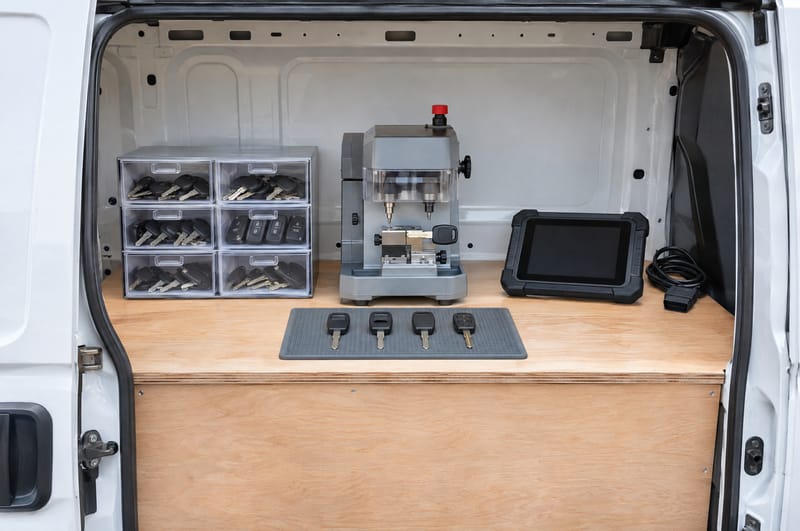
If your key is already damaged but still works, there are a few steps you can take to improve the chances of a successful copy. First, do not try to file or sand the key yourself to make it look smoother. Removing material only makes the profile less accurate. Second, handle the key gently to avoid snapping it during transport. If the plastic shell is loose, you can wrap it carefully in tape, but be aware that the tape may need to be removed for the cutting process. Third, bring any other keys you have for the same vehicle, even if they are not identical. A spare key from a different lock on the same car can sometimes help the locksmith confirm the correct bitting.
A professional service like Car Key Replacement Toronto can often make a working duplicate from a damaged original, but they need to see the key in person to assess what is possible. The technician will examine the blade's condition, check the electronic components if applicable, and decide whether a direct copy can be made or whether the lock itself needs to be decoded.
What If the Key Cannot Be Copied?
If the damage is too severe for the key to be copied directly, there are still options. The locksmith can decode the lock cylinder or ignition switch to determine the exact bitting needed for a new key. That process involves removing the cylinder or using a specialized tool to read the pin depths without damaging the lock. It takes more time than a standard copy, but it produces a key that works as well as the original did.
For electronic keys, the process is similar. If the original key's chip is dead or the shell is destroyed, the locksmith can order a blank key from the manufacturer or an approved supplier, cut the blade to match your lock, and program the new transponder to communicate with your vehicle. The original key is not strictly required for this, but it helps speed up the identification of the correct frequency and programming protocol.
Prevention Is the Best Strategy
The easiest way to avoid the stress of a failing key is to have a spare made long before the original shows any damage. Many car owners wait until they lose their only key or until the key breaks, but a routine duplicate is inexpensive and can be done quickly by a mobile locksmith. Keeping the spare in a safe place, not in the car, means you always have a backup that can be used immediately if the primary key fails.
If your key already shows signs of wear, do not assume you have months left before it breaks. The damage can progress faster than you expect, especially if the key is used multiple times a day. Getting a copy made now, while the original still works, gives you a safety net that costs very little compared to the alternative.
In short, a damaged car key can often be copied before it fails completely, but the window of opportunity shrinks as the damage gets worse. The sooner you have the key assessed, the more options you have. Whether the key needs a simple blade copy or a full electronic replacement, starting the process early is the best way to stay ahead of the problem.